

By William Wilson
Peoria sits firmly in a humid continental climate: winters are cold and snowy, summers hot and humid. These climate normals offer clues not only about what to expect as seasons shift, but also what our region will need to manage when it comes to weather extremes and environmental health. Below is a guide to our weather patterns and key environmental concerns in Peoria.
Living Through the Seasons: What Normals Tell Us
Peoria’s annual averages give us a roadmap through our climate. We see typical summer highs reach the mid-80s°F and winter lows drop to the low 20s°F. Snowfall averages about 24-26 inches per year, with measurable snow and frosts frequently appearing between late fall and early spring. Precipitation peaks during late spring and early summer—May and June are usually our wettest months. On the flip side, winters tend to be drier, especially in January and February. Storms—including thunderstorms, heavy rain, occasional hail, and snow—are expected parts of the calendar, not surprises. 1 2
Temperature Swings and Growing Seasons
Temperatures transition gradually: spring and fall bring milder, more comfortable weather, with highs in the 50s-70s°F. Summer’s humid heat can linger well into September, while winter drags into March in terms of snow cover and freeze risk. Because of this, planting calendars, garden schedules, and outdoor event planning should be rooted in local frost dates and expected long frost-free periods.
Environmental Challenges in Our Waterways
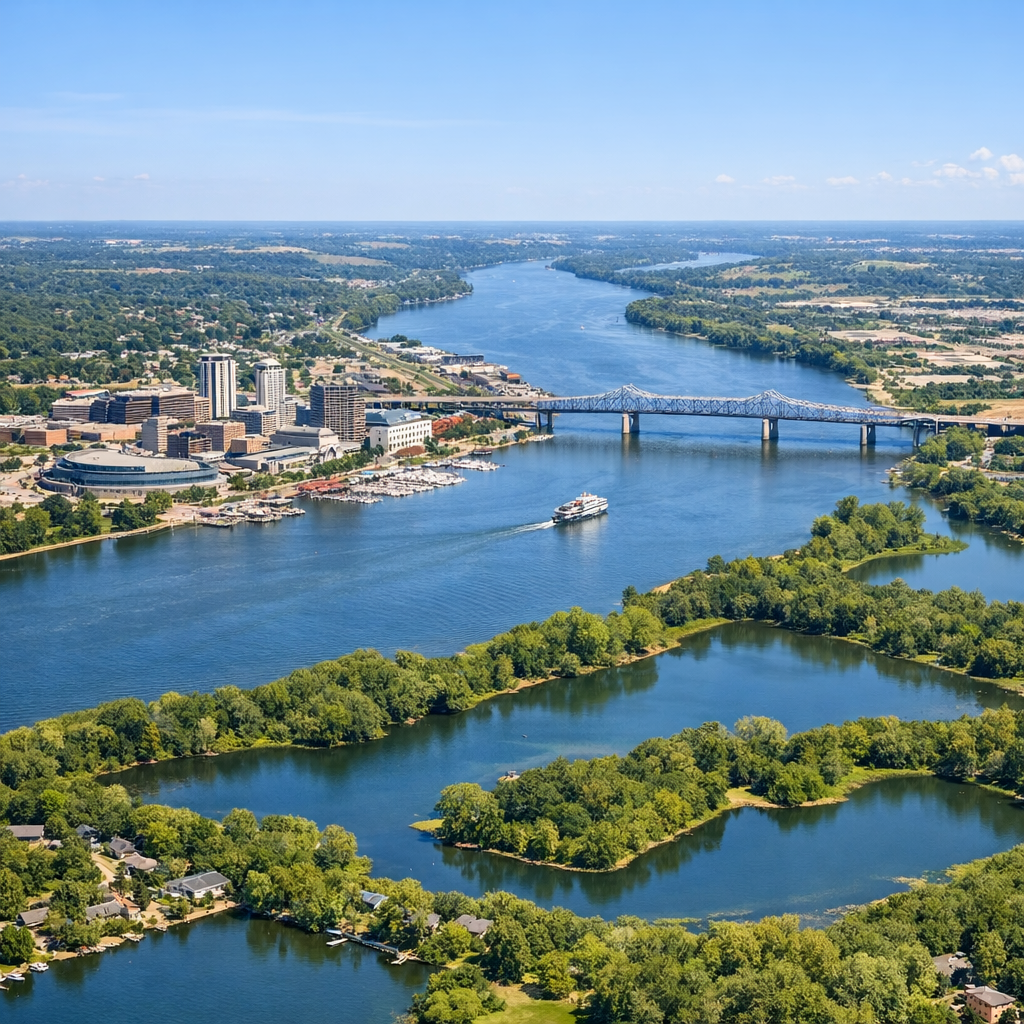
Beyond the weather, Peoria’s lakes and rivers are facing long-term environmental stress. The Peoria Lakes, part of the Illinois River system, have lost depth over the decades: where early 20th century levels averaged around five feet, most of the lakes now stand closer to 18 inches deep—except for navigation channels which are maintained deeper. Sedimentation from upstream erosion, stormwater runoff, and land use practices are largely responsible. Silver and bighead carp species have compounded ecological strain by transforming native plant and animal life. 3
Stormwater runoff is another concern. The city’s aging sewer infrastructure, combined with heavy rainfall and snowmelt, occasionally overwhelms systems—leading to flooding, pollution, and discharge of untreated water into the Illinois River. Green infrastructure and better land zoning are part of the solution being explored locally. 4
What We Can Do Locally to Stay Resilient
- In gardens and public planting: favor native, deep-rooted plants that tolerate both summer heat and winter cold—these help retain soil and reduce runoff.
- Before storms or snow melt: ensure gutters, downspouts, and storm drains are clear to reduce local flooding.
- Support green infrastructure projects—rain gardens, permeable pavement, restored wetlands—that help reduce sediment entering streams.
- Stay informed about air and water quality warnings; heavy rains often stir up pollutants into rivers and lakes.
- Track climate reports and weather service updates—especially during seasons when extreme weather is more likely.
Peoria’s weather isn’t just a backdrop for daily life—it shapes our environment, communities, and how we plan for the future. By knowing what “normal” looks like, and by acting to address our environmental challenges, we preserve the land, water, and skies we all share.