

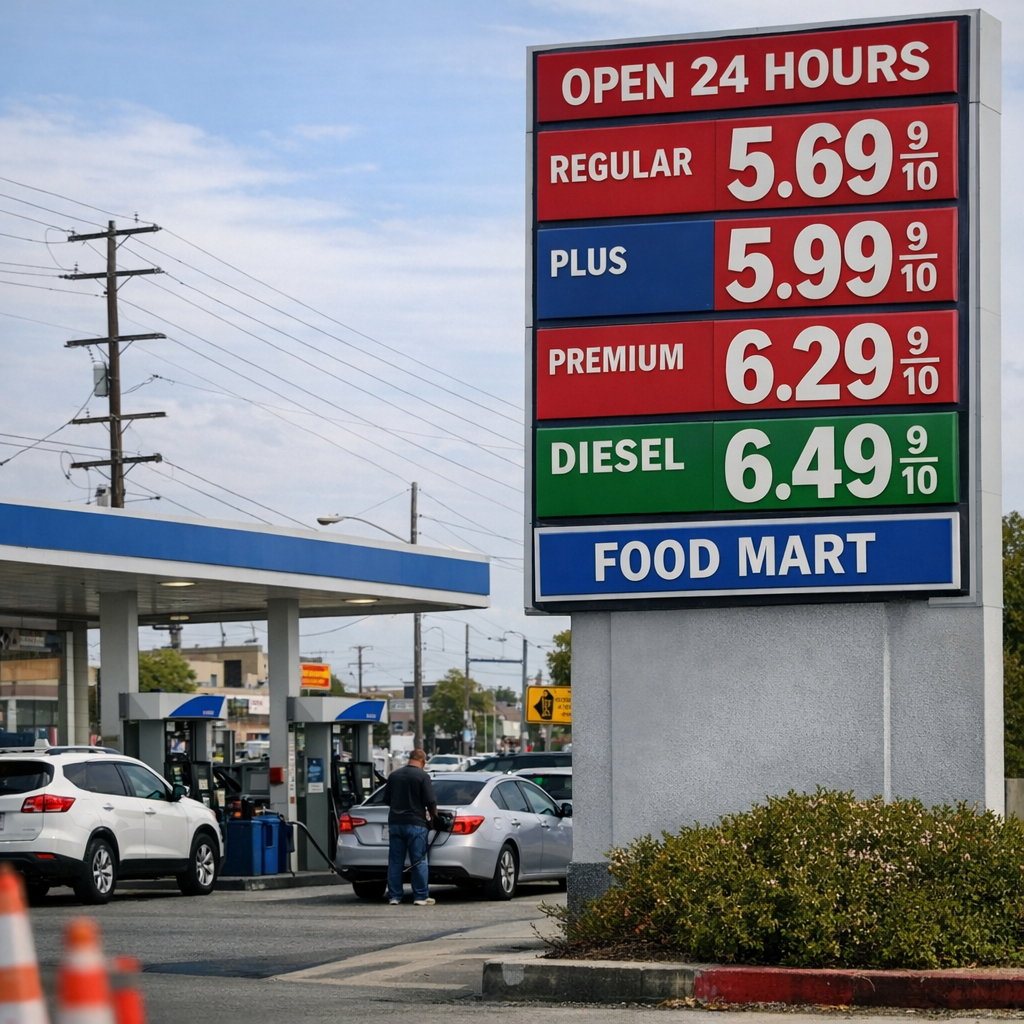
As the United States grapples with economic challenges, rising inflation and escalating energy costs have become central concerns for policymakers and citizens alike. Recent data indicates that inflation surged to 3.8% in April, driven in part by the ongoing conflict in Iran, which has pushed national average gas prices above $4.50 per gallon. This inflationary pressure has led to a decline in real wages, with consumer sentiment reaching record lows. Source
Impact on Consumers and Businesses
The combination of rising prices and stagnant wages has compelled many Americans to rely more heavily on credit, resulting in a significant increase in consumer borrowing. Small businesses are also feeling the strain, with optimism about future business conditions and expansion plans falling to its lowest level since before President Trump’s reelection. Source
Policy Responses and Challenges
In response to these economic pressures, the Trump administration has emphasized tax cuts, deregulation, and energy independence as key strategies to stabilize the economy. However, the effectiveness of these measures remains to be seen, especially as inflation continues to outpace wage growth. Source
Looking Ahead
As the nation navigates these economic challenges, it is crucial for policymakers to consider comprehensive strategies that address both immediate concerns and long-term stability. Balancing efforts to control inflation with initiatives to support wage growth and consumer confidence will be essential in fostering a resilient economy.